
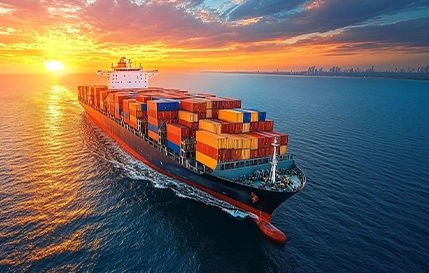
The global sea freight industry is undergoing significant transformation in 2026. From shifting trade routes to new environmental regulations, understanding these trends is essential for businesses that rely on ocean shipping to move goods across borders efficiently and cost-effectively.
-
Rising Demand for Green Shipping
Environmental regulations are reshaping the industry. Shipping lines are investing in LNG-powered vessels and low-emission fuel alternatives to meet IMO 2026 targets. Businesses are now factoring carbon footprint into their carrier selection process.
-
Port Congestion Remains a Key Challenge
Major global ports continue to face congestion due to surging volumes and infrastructure limitations. Proactive scheduling, early booking, and working with experienced freight forwarders can help mitigate delays caused by port bottlenecks.
-
Shifting Trade Routes
Geopolitical changes and canal disruptions are forcing shippers to reroute cargo through alternative lanes. Staying flexible and working with logistics partners who have multi-route capabilities is now more important than ever.
-
Digital Freight Platforms on the Rise
Technology is transforming how sea freight is booked and tracked. Digital platforms now offer real-time rate comparisons, instant booking, and live shipment visibility — giving shippers greater control and transparency over their supply chains.
-
FCL vs LCL Demand Shifts
With rising freight costs, more shippers are consolidating smaller loads into LCL (Less than Container Load) shipments. This approach reduces per-unit shipping costs while still maintaining reliable transit times on major trade lanes.
-
Asia–Middle East Trade Lane Growth
Trade between Asia and the Middle East is expanding rapidly in 2026, driven by growing economies and infrastructure investment. This corridor is seeing increased vessel capacity and more competitive freight rates.
-
Supply Chain Resilience as a Priority
After years of disruption, businesses are prioritizing supply chain resilience over pure cost savings. This means diversifying carriers, maintaining buffer stock, and partnering with logistics providers who offer end-to-end visibility and contingency planning.
Latest Blogs
-
Global Sea Freight Trends to Watch in 2026
May 15, 2026 -
How to Choose the Right Air Freight Solution
April 28, 2026 -
How Technology is Transforming Modern Warehousing
April 10, 2026